The Rachene
Rachene: a river through the village.
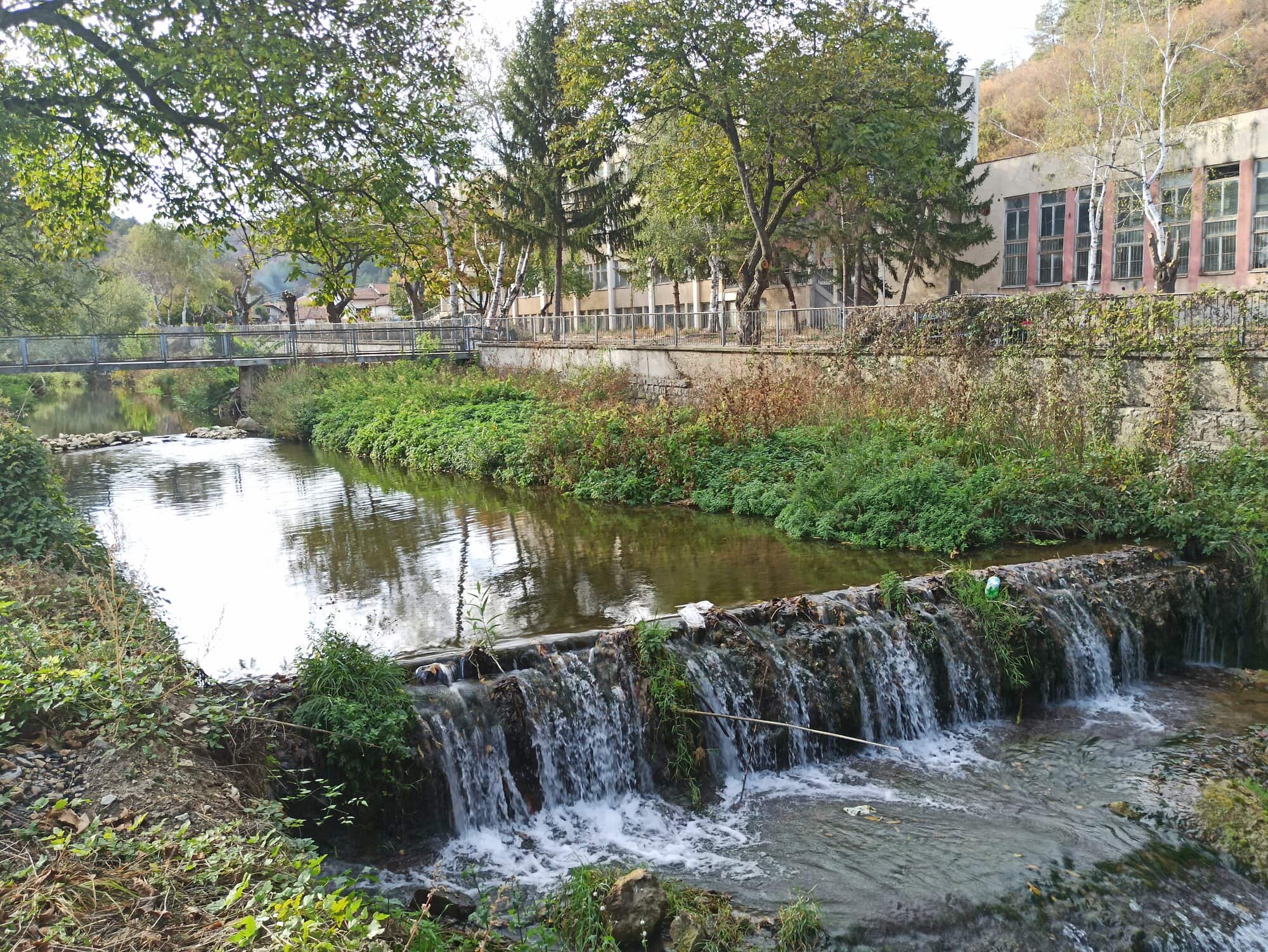
The Rachene River passes directly through Reselets. It is part of the everyday landscape and local cultural memory through the Yordanovden and Ivanovden customs celebrated beside and in the water.

Water
The water story of Reselets is not limited to one feature. The Rachene passes through the village and continues through a canyon, Skoka lies in the Belilkata valley, the Iskar defines the wider river context, and the reservoir adds a managed freshwater environment.
The Rachene
The Rachene River passes directly through Reselets. It is part of the everyday landscape and local cultural memory through the Yordanovden and Ivanovden customs celebrated beside and in the water.
The canyon
Between Kameno Pole and Reselets, the Rachene valley passes through an impressive limestone canyon that the University of Mining and Geology describes as reaching a depth of up to 100 metres in places. The wider river landscape also contains narrow gorge sections associated with the Kamarata geological phenomenon.
Skoka
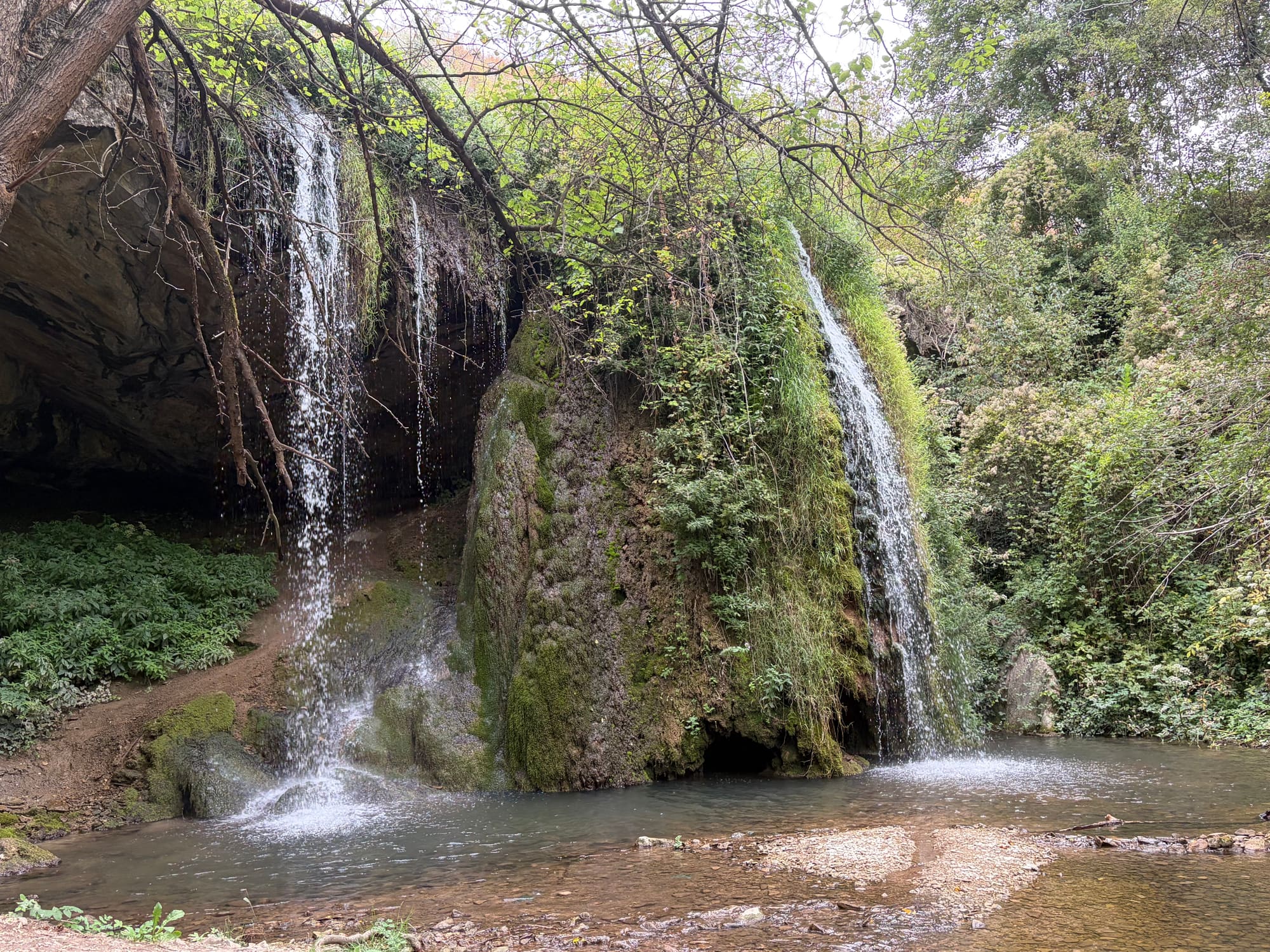
The Reselets waterfall known as Skoka is a separate water and rock feature from the Rachene. The official register identifies it as a protected natural monument on the Belilkata River in the locality of Reselets.
The watermill
The water heritage of Reselets is not only rivers and a waterfall. The name of the Bankovskata watermill is documented in the village, and according to the current owners it has never stopped working and its perilo is still used for washing rugs. The site presents it as living water heritage, keeping their testimony, the documented memory and the verified facts clearly apart.
The Iskar
The Iskar passes through the territory of Reselets. Some of the best-known limestone formations in the area rise above or near its river landscape.
The reservoir
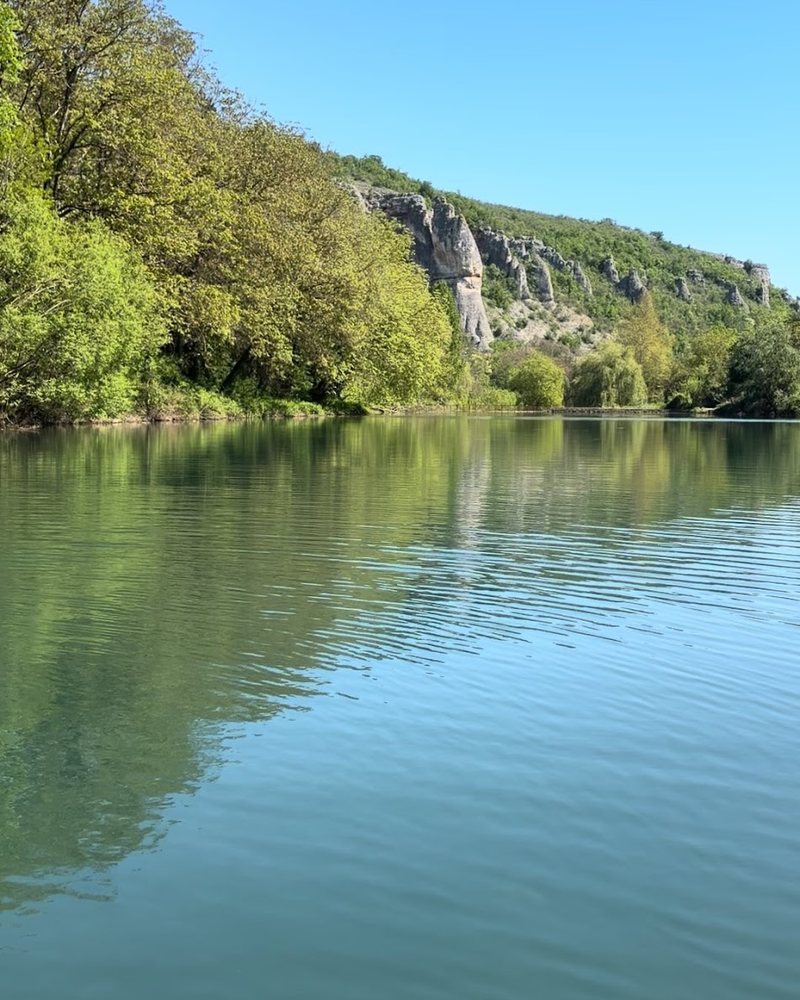
The Reselets reservoir is public municipal property operated under concession by a local operator. Its role is different from the natural rivers and adds a practical freshwater and aquaculture context to the wider story of the area.
Ecology
The rivers and the reservoir are habitats, not only scenery. Running water with a stony bed, slow water with overgrown banks and riparian vegetation support different communities of fish, birds and mammals. Around the reservoir there are documented video observations of otters and observations of herons; they are published as observations, not as scientific conclusions.
Monitoring
Directions being explored include regular measurement of temperature, pH, dissolved oxygen, conductivity, turbidity and water level, environmental sensors, telemetry and remote observation. These are collaboration themes under exploration, not a claim that a monitoring network is already in place.
Photography
A small river with a stony bed under riparian woodland near Reselets, Skoka waterfall with its pool, and the water of the reservoir below the limestone cliffs. The gallery presents the landscape but does not provide access or route guidance.